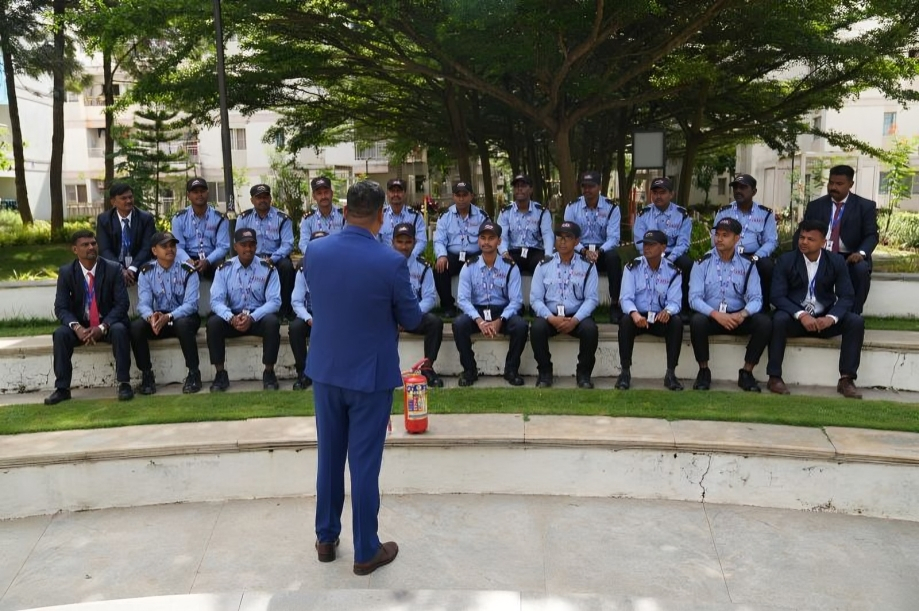
In today’s dynamic business environment, security is no longer limited to physical presence — it is a strategic function that supports operational continuity, risk management, and workplace experience. Organizations are increasingly recognizing that effective security requires structured training, standardized processes, and a proactive approach to risk prevention.
As facilities become more complex and operational expectations continue to rise, the role of security personnel has evolved significantly. Security teams are now expected to respond to real-time situations, interact professionally with stakeholders, and maintain a safe and controlled environment at all times. This shift highlights the importance of building a trained and capable workforce that can deliver consistent and reliable performance.
Reframing Security as a Strategic Function
Security is no longer viewed as a support service — it is a critical component of business strategy. A well-structured security framework not only protects assets but also enhances operational efficiency and strengthens organizational reputation.
Leading organizations are moving away from reactive security practices and adopting proactive models that focus on prevention, preparedness, and continuous improvement. This transformation requires a strong foundation built on training and standardization.
Key Industry Challenges
Despite advancements in infrastructure and technology, several challenges continue to impact the effectiveness of security operations:
- Inconsistent Service Quality: Variations in training lead to uneven performance across sites.
- Limited Preparedness: Personnel are often not equipped to handle high-pressure situations.
- Lack of Standardization: Absence of SOPs results in inconsistent execution.
- Communication Gaps: Poor interaction affects client experience.
- Compliance Risks: Inadequate training impacts regulatory adherence.
Addressing these challenges requires a structured and scalable approach that integrates training with operational processes.
Building a Capability-Driven Model
A capability-driven approach focuses on developing skilled personnel who can perform effectively in complex environments. This model emphasizes quality, consistency, and accountability.
- Standardization: Clearly defined protocols across all sites.
- Training & Development: Continuous learning and skill enhancement.
- Performance Monitoring: Regular evaluation and improvement.
By aligning these elements, organizations can ensure that security operations remain consistent and scalable.
Structured Training as a Core Enabler
Training plays a critical role in transforming security personnel into capable professionals. It equips them with the knowledge and confidence required to handle diverse operational scenarios.
- Operational Training: Access control, surveillance, and reporting.
- Scenario-Based Learning: Real-world simulations for emergency handling.
- Behavioral Training: Communication and professionalism.
- Compliance Training: Adherence to safety and legal standards.
- Continuous Learning: Regular refresher programs.
Ensuring Consistency Across Sites
Maintaining uniform service quality across multiple locations is one of the biggest challenges in facility management. A standardized training framework ensures consistency, reliability, and alignment with organizational expectations.
Business Impact
A structured approach to security delivers measurable benefits:
- Risk Reduction: Proactive identification and mitigation of threats.
- Operational Efficiency: Faster response and better coordination.
- Enhanced Experience: Professional and reliable personnel.
- Compliance Assurance: Improved adherence to standards.
- Cost Optimization: Reduced incidents and disruptions.
The Human Advantage
While technology enhances security operations, trained personnel remain the most critical asset. Their ability to interpret situations, make decisions, and respond effectively cannot be replaced.
Investing in people ensures long-term reliability and resilience in security operations.
Future Outlook
The future of security lies in integrating training, technology, and data-driven insights. Organizations that prioritize capability development will be better positioned to manage evolving risks.
Conclusion
Security must be embedded into the core of organizational strategy. With the right training and processes, organizations can create a safe, efficient, and reliable operational environment.